Checking out the Conveniences of Making Use Of Aluminum Castings in Modern Production
Aluminum castings have actually come to be increasingly relevant in modern manufacturing because of their special residential or commercial properties. The light-weight nature of aluminum enables a lot more elaborate layouts, especially helpful in industries like automobile and aerospace. Its rust resistance prolongs product life expectancy, while cost-effectiveness enhances manufacturing efficiency. These advantages welcome a closer assessment of aluminum's duty in numerous applications and its effect on layout versatility and sustainability in manufacturing procedures.
Lightweight Characteristics and Their Effect On Style
The lightweight buildings of aluminum castings greatly affect contemporary design techniques throughout different sectors. Designers and designers often focus on weight reduction in their tasks to enhance performance and performance. This characteristic permits for the development of complex forms and layouts that would certainly be challenging with larger products. In markets such as auto and aerospace, where every gram counts, aluminum castings add to sustain effectiveness and reduced discharges. In addition, the convenience of manufacturing processes like die casting enables the production of complex geometries, causing cutting-edge item designs. The ability to stabilize toughness and weight makes aluminum an attractive alternative for makers seeking to enhance product capability while minimizing manufacturing prices. As markets remain to develop, the fostering of aluminum castings is most likely to expand, promoting brand-new possibilities for style creativity and design innovations. In general, the light-weight nature of aluminum is a crucial factor in forming contemporary manufacturing techniques.
Superior Rust Resistance for Durability
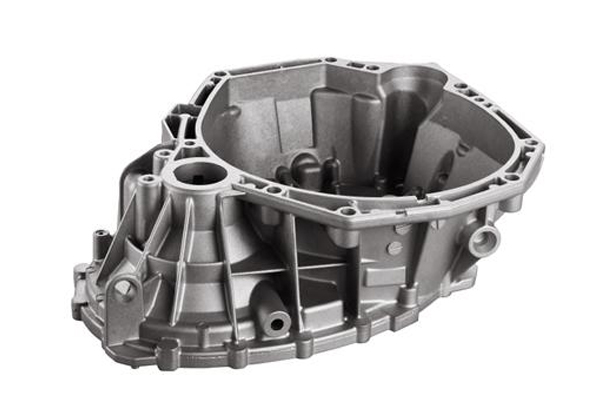
Lots of products suffer from destruction over time, aluminum castings stand out for their superior corrosion resistance, substantially boosting the long life of items. This resistance is largely associated to the natural formation of a safety oxide layer on the aluminum surface, which prevents additional oxidation and protects against rusting. Unlike steel or iron, aluminum does not wear away easily when subjected to moisture or different chemicals, making it a suitable choice for applications in rough settings.
Additionally, aluminum castings keep structural stability over expanded durations, minimizing the requirement for constant replacements. This dependability is critical in fields such as automobile, aerospace, and aquatic, where component failing could bring about significant safety problems. By choosing aluminum castings, producers can ensure that their products not just sustain the test of time however likewise perform consistently under challenging conditions, eventually benefiting both manufacturers and end-users through boosted sturdiness and fewer upkeep needs.
Cost-Effectiveness in Manufacturing
Cost-effectiveness in aluminum casting manufacturing is driven by a number of vital variables. Decreased product waste contributes to lower production costs, while fast manufacturing times boost general efficiency. These elements jointly position aluminum castings as a sensible option for manufacturers looking for to enhance their procedures.
Reduced Product Waste
Lowering material waste in aluminum casting not just improves sustainability but additionally noticeably lowers production prices. Efficient use basic materials is critical in contemporary production, where minimizing waste can cause substantial savings. Aluminum casting processes permit elaborate styles with precise specs, which assists to maximize material use and decrease unwanted. Strategies such as near-net shape casting even more restrict the quantity of scrap generated during manufacturing. In addition, the recyclability of aluminum adds to a reduction in waste, as leftover products can be melted and recycled in future applications. By embracing aluminum casting methods, producers can accomplish not just an extra ecologically pleasant procedure however additionally a structured manufacturing procedure that takes full advantage of source performance and lowers overall product costs.
Lower Manufacturing Expenses
Quick Manufacturing Times
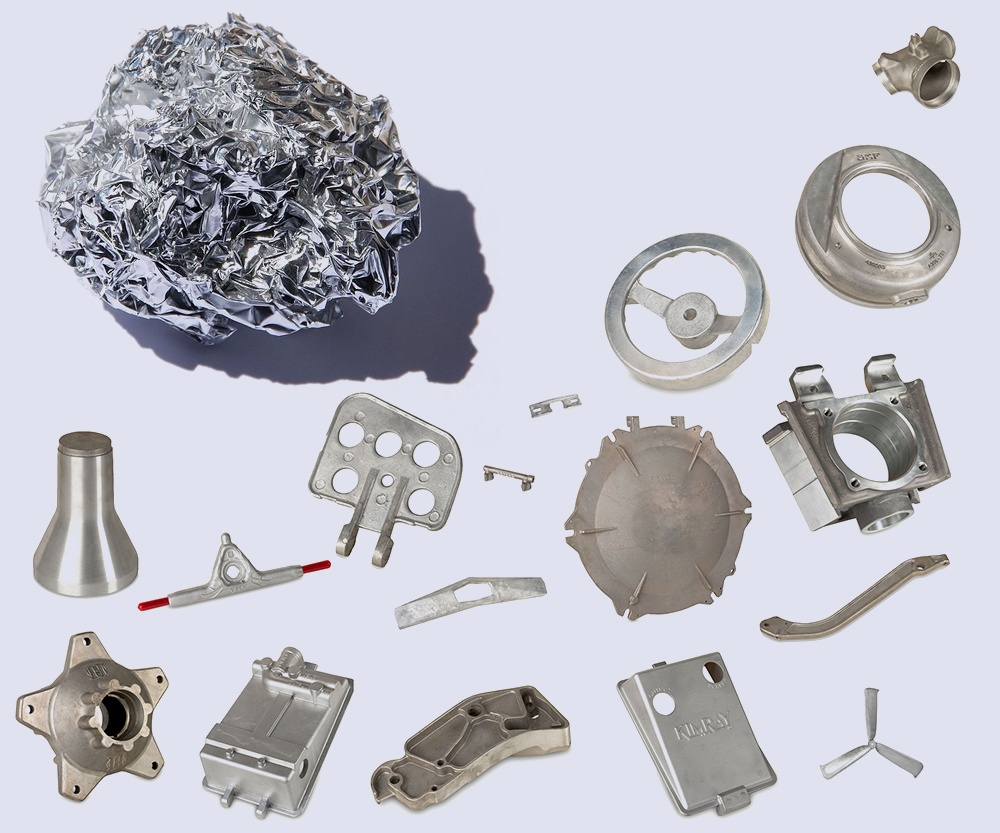
While lots of variables add to the general performance of producing procedures, rapid production times stand apart as a significant Source advantage of aluminum casting. This method permits the quick development of elements, substantially minimizing lead times. The ability to create complicated forms with high accuracy implies that makers can quickly respond to market demands and range production as required. In addition, aluminum's positive thermal homes allow quicker cooling rates, additionally quickening the total casting procedure. Shorter production cycles lead to boosted inventory turnover and reduced functional prices. By lessening delays and enhancing throughput, aluminum casting supports an extra agile production setting, eventually contributing to increased competition in the market.
Style Adaptability and Facility Geometries
Aluminum castings use exceptional design adaptability, allowing the development of intricate geometries that would be testing with other materials. This capacity enables manufacturers to generate lightweight structural services that enhance total performance and performance. Furthermore, the rapid prototyping possibility of aluminum castings speeds up the growth process, assisting in development in design.
Intricate Layout Capabilities
Lightweight Architectural Solutions
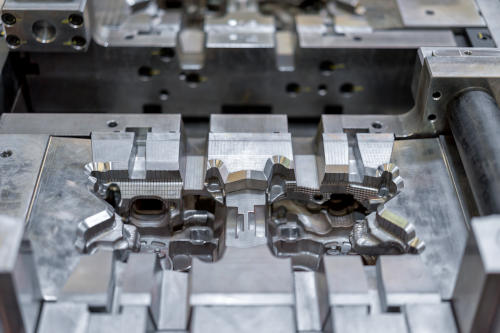
Manufacturers progressively leverage aluminum castings to provide light-weight architectural remedies that do not compromise on stamina or longevity. The inherent buildings of aluminum, including its reduced density and high strength-to-weight ratio, make it a perfect choice for applications where weight reduction is vital. This lightweight particular facilitates style versatility, allowing designers to create complicated geometries that typical materials might not suit. In addition, aluminum castings can be tailored to specific efficiency needs, improving capability without including too much weight. This versatility enables the manufacturing of detailed parts for different industries, such as aerospace and automotive, where performance and performance are vital. In general, aluminum castings play an important role beforehand contemporary production with innovative architectural designs.
Fast Prototyping Possible
Quick prototyping has emerged as a game-changer in contemporary production, especially when it comes to create flexibility and the capability to create complicated geometries. Aluminum castings promote this advancement, enabling engineers to create intricate styles that would certainly be challenging or impossible with typical techniques. The light-weight nature of aluminum improves the convenience of manipulation during the prototyping stage, enabling fast models and modifications. The product's excellent thermal conductivity and rust resistance add to the longevity of prototypes, making them appropriate for screening in real-world problems. Therefore, makers can accelerate product growth cycles, lower costs, and enhance technology. Eventually, the assimilation of aluminum castings into fast prototyping processes supports the development of innovative, high-performance parts customized to specific applications.
Improved Thermal and Electric Conductivity
While aluminum castings are renowned for their light-weight residential properties, their boosted thermal and electric conductivity additionally plays a vital function in contemporary production. This particular makes aluminum an excellent selection for applications calling for reliable warmth dissipation and electric efficiency. Elements in electronics profit from aluminum's capacity to properly move warmth, therefore decreasing the threat of overheating and prolonging device life-span. In vehicle and aerospace markets, aluminum castings add to enhanced thermal management systems, advertising energy effectiveness.
Additionally, the high electrical conductivity of aluminum allows for its extensive use in electrical components, such as connectors and bus bars. This function not just minimizes energy loss during transmission but additionally improves total efficiency. The combination of these residential properties settings aluminum castings as a recommended material in numerous applications, driving technology and effectiveness in manufacturing procedures across different sectors.
Sustainability and Ecological Benefits
Aluminum castings supply significant sustainability and ecological benefits, lining up with the expanding emphasis on i loved this eco-friendly production practices. Among the main benefits of aluminum is its recyclability; up to 95% of aluminum can be reused without shedding quality. This process eats only a fraction of the power needed for key manufacturing, greatly lowering greenhouse gas discharges.
In addition, aluminum is lightweight, which contributes to energy effectiveness in transport and item usage. Its longevity and resistance to corrosion prolong the lifespan of items, lessening waste and the demand for regular replacements. The use of aluminum castings can lead to more effective manufacturing processes, as they commonly need much less power and product compared to traditional methods.
Applications Across Various Industries
As industries increasingly seek flexible products for cutting-edge applications, aluminum castings have emerged as a popular choice across various sectors. In the automobile market, light-weight aluminum castings add to boosted gas performance and efficiency, while in aerospace, they give toughness without endangering weight, crucial for aircraft design. The consumer electronics sector gain from aluminum's superb thermal conductivity, making it ideal for warmth sinks and enclosures. Additionally, the construction sector makes use of aluminum castings for window frames, roof covering parts, and structural components as a result of their durability and resistance to corrosion. In addition, the clinical equipment sector relies upon aluminum castings for producing specific, light-weight elements that satisfy stringent health requirements. Click Here These diverse applications highlight the flexibility of aluminum castings, making them a favored material for makers aiming to introduce and improve item efficiency across numerous fields.
Often Asked Concerns
How Are Aluminum Castings Produced in the Production Process?
Aluminum castings are created via a process including melting aluminum, putting it into mold and mildews, and allowing it to strengthen. Aluminum Casting. This approach enables the development of intricate forms and specific dimensions required in numerous applications
What Security Steps Are Required When Dealing With Aluminum Castings?
When collaborating with aluminum castings, important security procedures include using protective gear, guaranteeing correct air flow, implementing fire security methods, and keeping equipment to stop accidents, consequently safeguarding workers against prospective threats connected with the casting process.
Can Aluminum Castings Be Recycled, and How Is This Done?
Aluminum castings can without a doubt be recycled efficiently. The process includes gathering scrap aluminum, thawing it down in heaters, and afterwards changing it right into brand-new products, thus conserving resources and decreasing ecological effect in production.
What Are the Common Issues in Aluminum Castings and How to Prevent Them?
Usual issues in aluminum castings consist of porosity, contraction, and surface area blemishes. To avoid these problems, correct mold and mildew style, temperature control, and material selection are necessary, making certain suitable casting problems and minimizing the possibility of problems.
How Do Aluminum Castings Contrast to Various Other Materials in Terms of Toughness?
Aluminum castings display positive strength-to-weight ratios compared to numerous materials - Aluminum Casting. While usually much less strong than steel, they exceed plastics and supply enough strength for various applications, making them a functional option in producing processes